 Nominated for the EMYA2026 award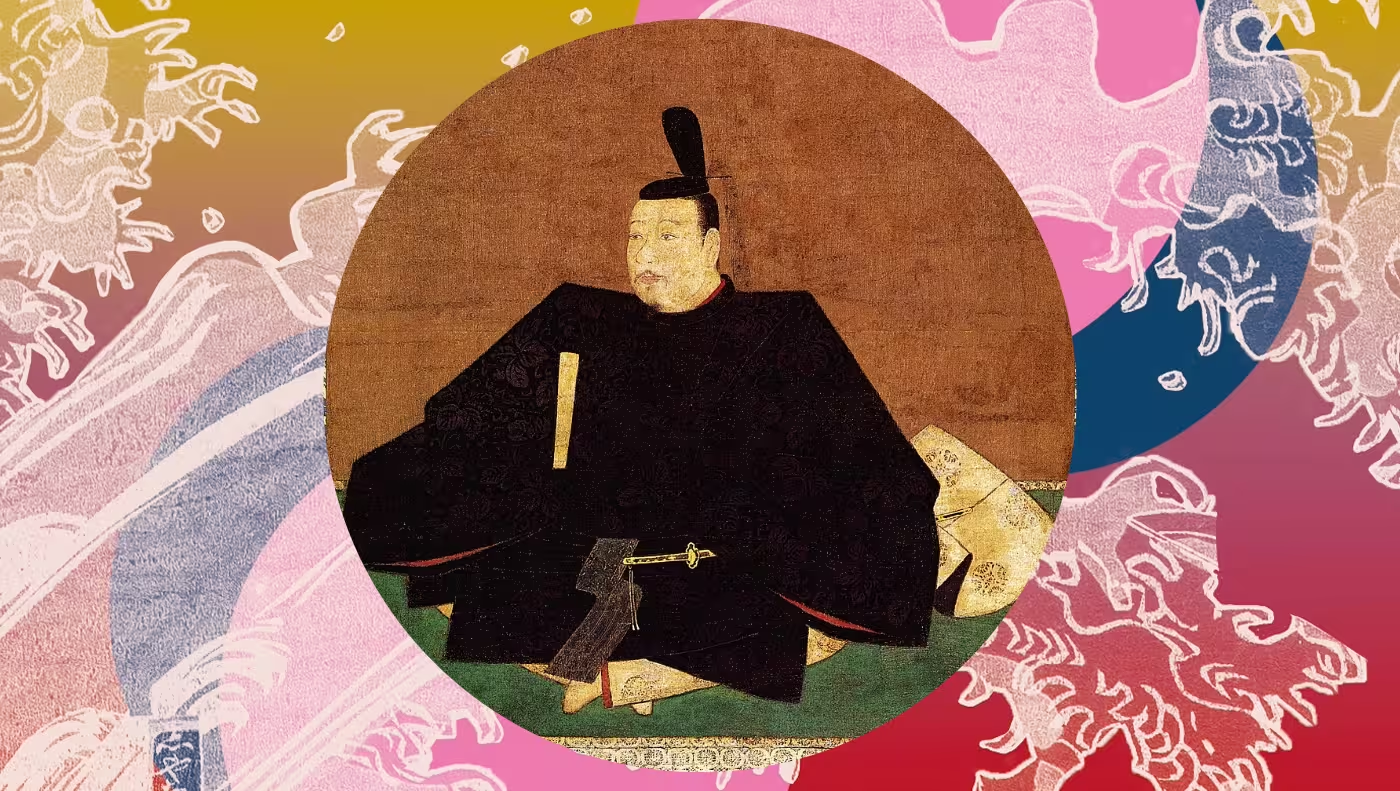
Ashikaga Takauji was a contender for shogun, an imperial general, a loyal vassal — until he was no longer. In 1336 he overthrew the emperor he had served and founded a shogunate that would last 237 years. To his credit or to his blame, depending on one’s perspective.
In Japanese historical culture he was, for centuries, the villain. While Kusunoki Masashige, who died for the imperial cause, was honoured as a national hero, Takauji was long denied a monument. He had given Japan one of the most productive cultural periods in its history — Nō theatre, the tea ceremony, Zen architecture. That was not credited to him.
The Road to Treachery: Kamakura and Its Weakness
The Kamakura shogunate (1185–1333) was in deep crisis in the early 14th century. Japan had survived the Mongol invasions of 1274 and 1281 — but the shogunate had no spoils to distribute afterwards. The warriors who had repelled the invasions expected land and rewards. Loyalty eroded.
Emperor Go-Daigo exploited this weakness. He plotted an uprising twice, failed, and launched his third attempt in 1333, this time successfully. Takauji was sent as a Kamakura general to put down Go-Daigo’s uprising. On arriving in Kyōto, he switched sides. Kamakura fell shortly afterwards.
Varley analyses this change of allegiance: Takauji was no idealist — he was a pragmatic politician who recognised that the Kamakura shogunate could not be saved.
The Kenmu Restoration: Why It Failed
After the fall of Kamakura, Go-Daigo established the Kenmu Restoration — the attempt to reinstate direct imperial rule. The problem: the warriors did not want it. Seven hundred years of feudal structure had created an entire social class whose existence depended on fiefs, military duties, and lord-vassal relationships. Rewards were poorly distributed. Warriors felt passed over.
Takauji saw this weakness. In 1335 he began to oppose Go-Daigo. In 1336 he marched on Kyōto. Go-Daigo fled to Yoshino and there founded the Southern Court — the beginning of the Nanboku-chō, the war of the two imperial courts, which lasted until 1392.
The Nanboku-chō: Japan Divided
What Takauji set in motion was one of the bloodiest chapters in Japanese history: 56 years of civil war between two imperial lines. Varley shows how the Nanboku-chō was portrayed in Japanese war literature (above all in the Taiheiki) as a moral dilemma: not “good versus evil”, but „loyalty versus pragmatism”. Kusunoki Masashige — the defender of the imperial cause, who fell at the catastrophic Battle of Minatogawa in 1336 and committed seppuku — became the tragic hero of this narrative. Takauji the villain.
The Muromachi Shogunate: What Takauji Built
The Muromachi bakufu in Kyōto was different from Kamakura: less decentralised, more firmly anchored at the imperial court, more culturally open to the world. The cultural flowering of the Muromachi is remarkable: Nō theatre, the tea ceremony, ink painting, Zen garden art, ikebana — all in an age that Takauji founded. It is the origin of essential parts of what is known today as classical Japanese culture.
Takauji himself actively promoted Zen Buddhism and had Ankokuji temples (temples of national pacification) built throughout the country — both a religious gesture and a political instrument for integrating defeated regions.
Takauji’s Reputation: A Historical Assessment in Flux
In the Edo period, Takauji was the negative example par excellence. Under Meiji nationalism this intensified: Go-Daigo became a model for the Meiji Restoration, Kusunoki Masashige a national martyr, Takauji a condemned traitor. Symbolic protests were still being staged before the fief of Takauji’s descendants in Kyōto as late as the 20th century.
Varley shows how this assessment is beginning to crumble: modern Japanese historians increasingly view Takauji as a pragmatic statesman who acted under real political constraints.
Takauji’s Brother Tadayoshi: The Other Half of the Shogunate
In its early days the Muromachi shogunate was no one-man project. Takauji’s younger brother Tadayoshi was an equal co-regent — responsible for administration, while Takauji handled military operations. From around 1349 the relationship between the two turned into open rivalry — the Kannō no Jōran, a phase of fighting during which Tadayoshi temporarily allied himself with the Southern Court. Tadayoshi died in 1352 — poisoning is suspected as the cause, though it is not certain.
Takauji’s Strategy: Why He Resided in Kyōto
A strategic decision of Takauji’s that is often overlooked: he built his shogunate in Kyōto — not in Kamakura. Kamakura was geographically isolated; Kyōto was the court, the trade routes, the symbolic centre of Japan. The Ashikaga shoguns became part of court culture, not its guardians from a distance. This had advantages — the shogunate’s culture absorbed courtly elegance and religious depth. It also had disadvantages: when central shogunate power eroded during the Sengoku period, there was no longer any geographically isolated power centre to defend.
Frequently Asked Questions about Ashikaga Takauji
Who was Ashikaga Takauji?
Ashikaga Takauji (1305–1358) was a Japanese warrior and statesman who founded the Muromachi shogunate in 1336. Previously he had overthrown Emperor Go-Daigo and triggered the Nanboku-chō. He ruled as the first Ashikaga shogun until his death.
Why is Takauji regarded as a traitor in Japan?
He originally fought for Emperor Go-Daigo, switched sides, overthrew the emperor, and founded a shogunate of his own. In the Edo period and under Meiji nationalism, which propagated imperial loyalty as the highest virtue, he became a negative example. Kusunoki Masashige, who died for Go-Daigo, by contrast became a national hero.
What was the Kenmu Restoration?
Go-Daigo’s attempt (1333–1336), after the fall of the Kamakura shogunate, to restore direct imperial rule without warrior mediation. It failed because the warrior class was not prepared to give up its feudal privileges — which made Takauji’s rebellion possible.
What was Takauji’s cultural legacy?
The Muromachi shogunate under Takauji and his successors promoted Nō theatre, the tea ceremony, Zen garden art, and ink painting — essential parts of what is regarded today as classical Japanese culture. Takauji had Zen temples built throughout the country.
Visit the Samurai Museum Berlin
Display case C03V of the Samurai Museum Berlin presents objects from the Kamakura and early Muromachi periods — from the era in which Ashikaga Takauji reshaped Japan’s political foundations. Open daily from 10 a.m. to 7 p.m., Auguststraße 68, Berlin-Mitte.
Related Articles
- Kusunoki Masashige: The Loyal Knight
- Nanboku-chō: The War of the Two Imperial Courts
- Kamakura & Muromachi: The First Shogunate
List of Sources
- Varley, H. Paul (1994): Warriors of Japan as Portrayed in the War Tales. University of Hawaii Press.
- Varley, H. Paul (1971): Imperial Restoration in Medieval Japan. Columbia University Press.
- Yamamura, Kōzō (ed.) (1990): The Cambridge History of Japan, Vol. 3: Medieval Japan. Cambridge University Press.
- Conlan, Thomas D. (2022): Samurai Sourcebook. Hackett Publishing.
- Samurai Museum Berlin (2025): SMB Catalogue 2025.
© Samurai Museum Berlin – All rights reserved
You might also like
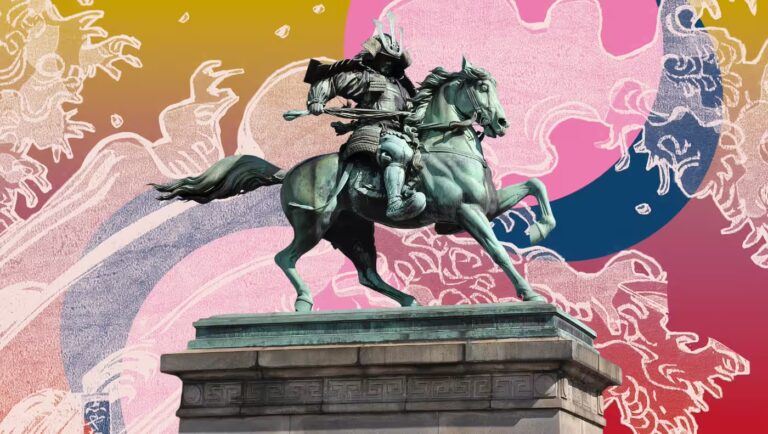
Kusunoki Masashige: Japan’s Most Loyal Warrior
Kusunoki Masashige – guerrilla tactician, imperial loyalist, myth. Who was the most loyal samurai really? History, facts & exhibits at…
Artikel lesen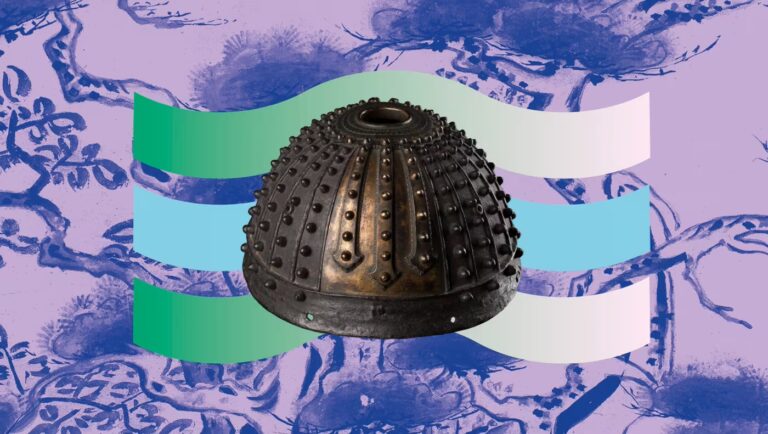
Kamakura & Muromachi: The First Shogunate and the Mongol Storm
The Kamakura shogunate, the Mongol wars, and the Muromachi bakufu: How Japan developed samurai rule between 1185 and 1467. Samurai…
Artikel lesen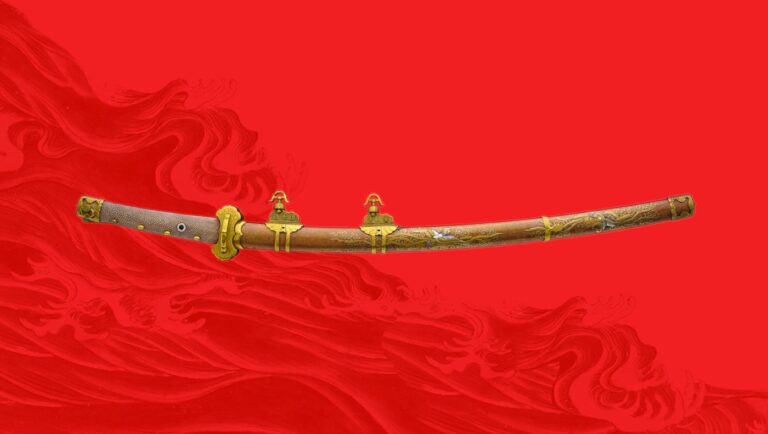
The Heian Period: The Rise of the Warrior Class (794–1185)
The Heian period created the samurai. How provincial administrators became a warrior caste – and why the sword played hardly…
Artikel lesen