Naginata: The Polearm of the Samurai
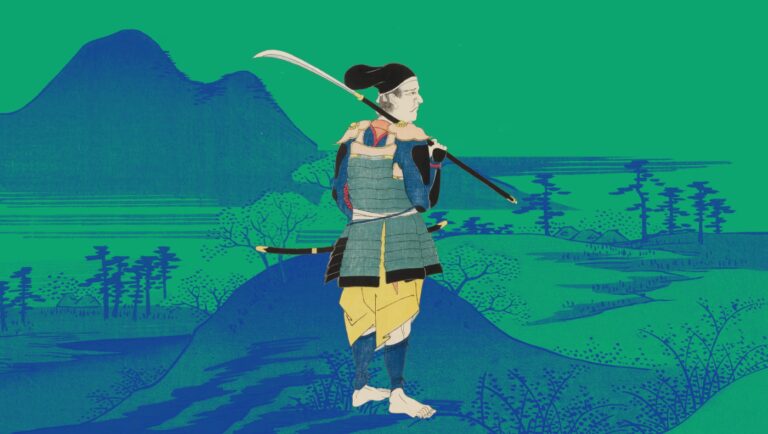
The naginata: polearm of the samurai, anti-cavalry instrument and woman's weapon. History, types, and three originals at the Samurai Museum…
Read the article
The naginata: polearm of the samurai, anti-cavalry instrument and woman's weapon. History, types, and three originals at the Samurai Museum…
Read the article
The tantō – Japanese short dagger under 30 cm: history, construction, seppuku function, and masterpieces. With original exhibits at the…
Read the article
Sanada Yukimura defended Ōsaka against Tokugawa Ieyasu's army – and became an icon of the honourable last stand. History, myth…
Read the article
Date Masamune was 17 years old when he took control of Oshu, and nearly unified Japan. The story of the…
Read the article
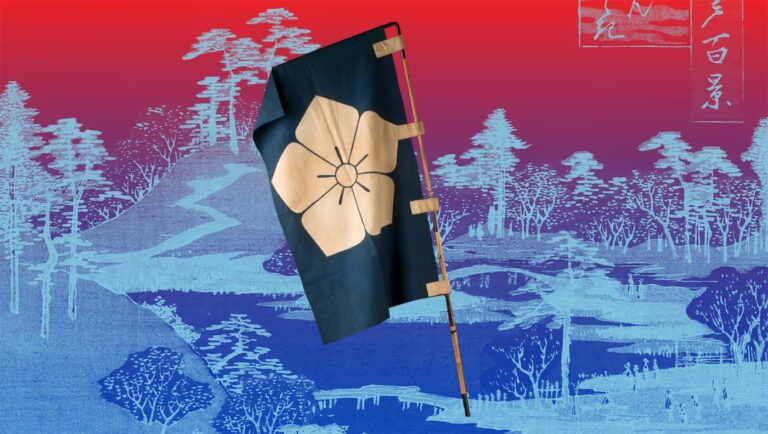
Sashimono — the back banners of the samurai. History, function, motifs, clans. Authentic examples at the Samurai Museum Berlin.
Read the article
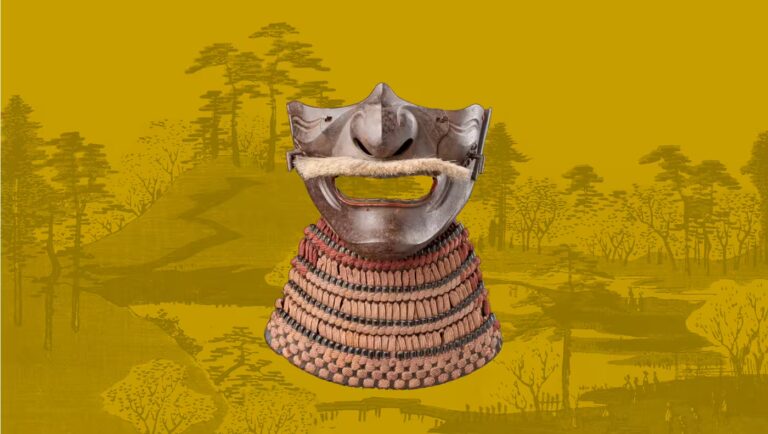
Menpō — the half-mask of samurai armour. Types (ressei, ryūbu, tengu), history, craftsmanship, symbolism. Exhibits at the Samurai Museum Berlin.
Read the article
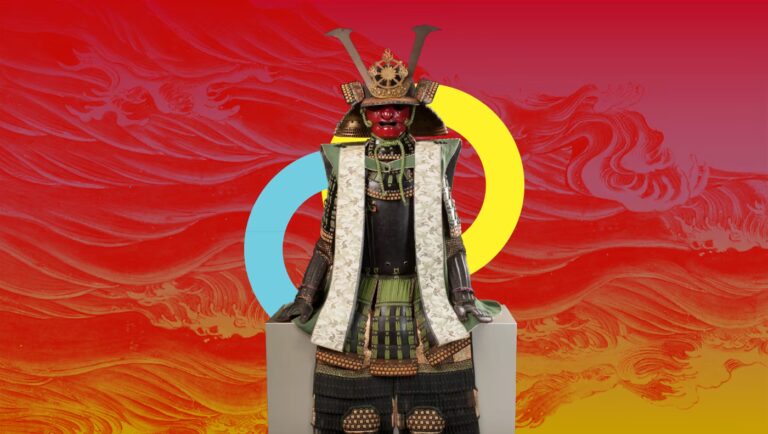
Jinbaori — the samurai's field-camp coat made of European wool. History, material, symbolism. Exhibits at the Samurai Museum Berlin.
Read the article
Wakizashi — the short sword of the samurai pair (daishō). History, length, use, role in seppuku. Exhibits at the Samurai…
Read the article
Sekigahara 1600 — Japan's largest samurai battle, decided by betrayal. Course, strategy, consequences. Exhibits at the Samurai Museum Berlin.
Read the article
The yari was the dominant weapon of the Sengoku battlefields — not the katana. Types, tactics, legendary bearers. Exhibits at…
Read the article