 Nominated for the EMYA2026 award
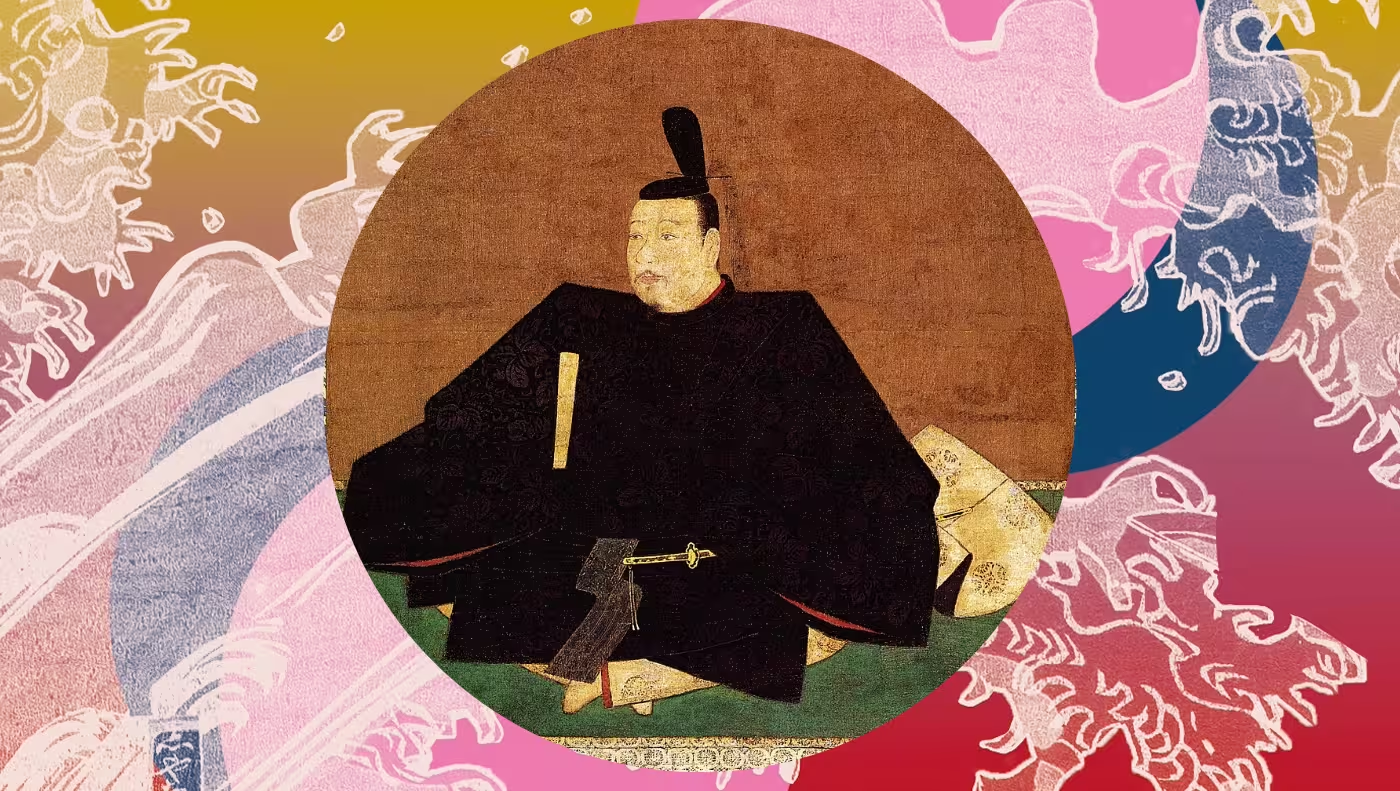
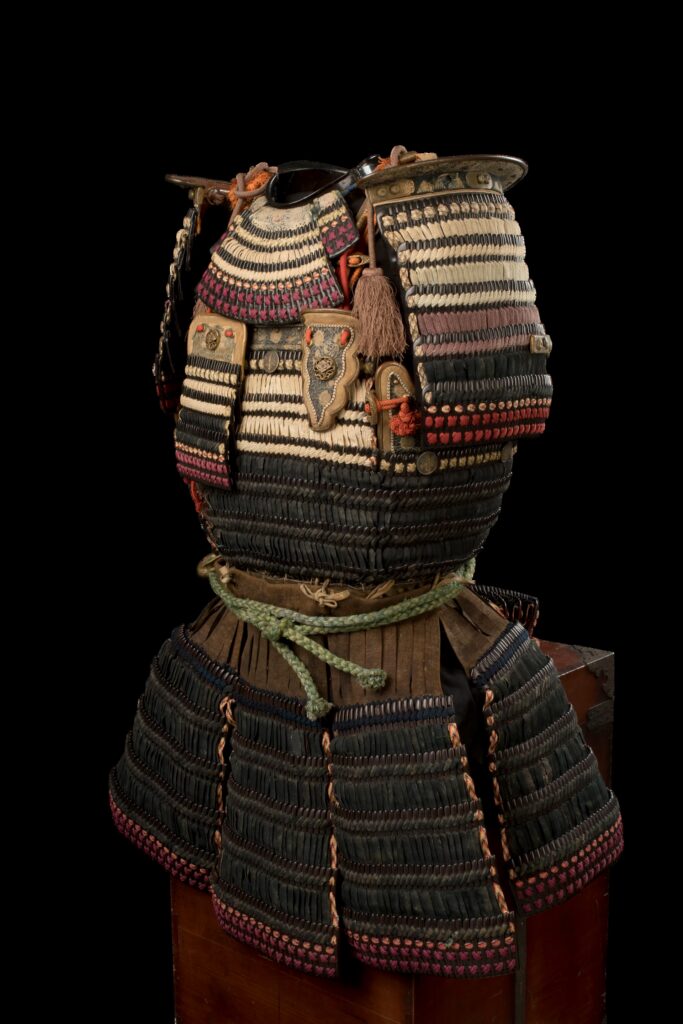
Ashikaga Takauji was a shogun aspirant, an imperial general and a loyal vassal. In 1336 he overthrew the emperor he served and founded a shogunate that was to last 237 years.
For centuries, he was the villain of Japanese historical culture. The painting that supposedly shows him — a horseman in loosely fitting armour — is no longer attributed to him today; that was an error of later times. But the image of the dishonourable traitor remained. While Kusunoki Masashige, who died for the imperial cause, was honoured as a national hero, Takauji was for a long time not allowed a monument.
Nevertheless, he had led Japan into one of the most productive cultural periods in its history, in which, among other things, Noh theatre, the tea ceremony and Zen architecture emerged.
The Road to Betrayal: Kamakura and Its Weakness
To understand Takauji’s actions, it is worth taking a look at the political system that he found — and that he destroyed.
By the early 14th century, the Kamakura shogunate (1185–1333) was in deep crisis. Japan had indeed survived the Mongol invasions of 1274 and 1281 — with the help of the legendary Kamikaze typhoons — but afterwards the shogunate had no spoils to distribute. The warriors who had repelled the invasions expected land and rewards. The bakufu had none. Loyalty eroded.
Emperor Go-Daigo exploited this weakness for a radical idea: a return to direct imperial rule, without mediation by warriors. He twice planned an uprising — failed, was exiled — and in 1333 launched his third attempt, this time successfully.
Takauji was sent as a Kamakura general to crush Go-Daigo’s uprising. Once he arrived in Kyoto, he switched sides. Kamakura fell shortly afterwards.
Varley analyses this change of sides: Takauji was not an idealist who was suddenly enthused by the imperial cause. He was a pragmatic politician who recognised that the Kamakura shogunate could not be saved — and who saw an opportunity in Go-Daigo’s success.[1]
The Kemmu Restoration: Why It Failed
After the fall of Kamakura, Go-Daigo established the Kemmu Restoration — the attempt to reintroduce direct imperial rule, as in the Nara period before the warrior system.
The problem: the warriors did not want that.
Centuries of feudal structure had created an entire social class whose existence depended on fiefs, military obligations and relationships of lordship. Go-Daigo’s hope of simply returning to direct imperial rule ignored this reality. Rewards were poorly distributed. Warriors felt passed over. The administrations seemed incompetent.
Cambridge describes the Kemmu Restoration as a political experiment that struggled from the outset with the contradiction between an ideal past and the real present: the warrior class was too strong, too organised and too accustomed to the feudal structure to simply become subjects without autonomy again.[3]
Takauji saw this weakness. In 1335 he began to oppose Go-Daigo. In 1336 he marched on Kyoto. Go-Daigo fled to Yoshino in the mountains and founded the Southern Court there — the beginning of the Nanboku-chō, the war of the two imperial courts, which lasted until 1392.
The Nanboku-chō: Japan Divided
What Takauji set in motion was one of the bloodiest chapters in Japanese history: 56 years of civil war between two imperial lines.
The Northern Court in Kyoto under Takauji’s control — the Southern Court in Yoshino under Go-Daigo and his successors. Both sides had supporters, both had arguments for the legitimacy of their line, and both fought with varying fortunes.
Varley shows how the Nanboku-chō was portrayed in Japanese war literature (above all in the Taiheiki) as a moral dilemma: not “good versus evil”, but “loyalty versus pragmatism”. Warriors who stood on the wrong side were portrayed not as evil but as tragic — in a system in which there was no longer any clear legitimate authority.[1]
Kusunoki Masashige — the defender of the imperial cause, who fell against Takauji’s troops in the disastrous Battle of Minatogawa in 1336 and committed seppuku — became the tragic hero of this narrative, Takauji the villain. This moral scheme became entrenched in the Edo period and especially in Meiji nationalism.
The Muromachi Shogunate: What Takauji Built
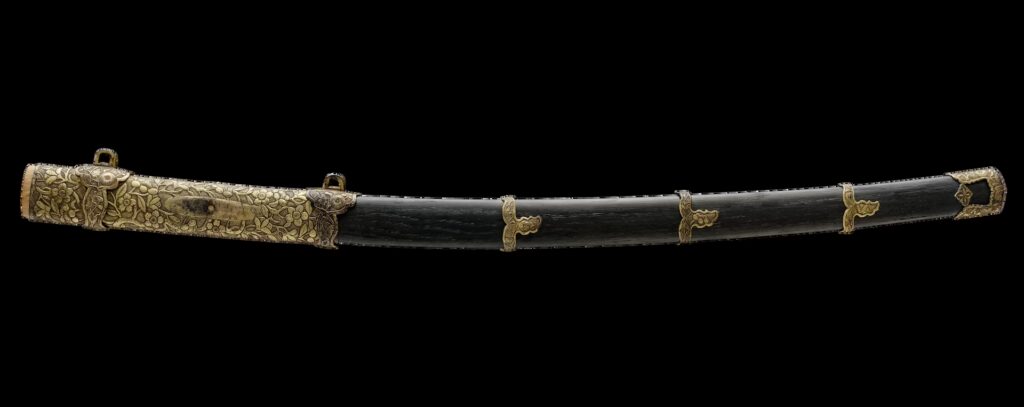
Regardless of moral judgements: Takauji created a political system that structured Japan for 237 years.
The Muromachi bakufu in Kyoto — named after the city district in which the shogun resided — was different from Kamakura. It was less decentralised, more firmly anchored at the imperial court and culturally more open to the world.
Cambridge describes the structure of the Muromachi bakufu as a compromise: the shugo (regional military governors) received more autonomy than before, which led to powerful regional magnates — but the shogun retained symbolic and actual control as long as he was strong enough to enforce it.[3]
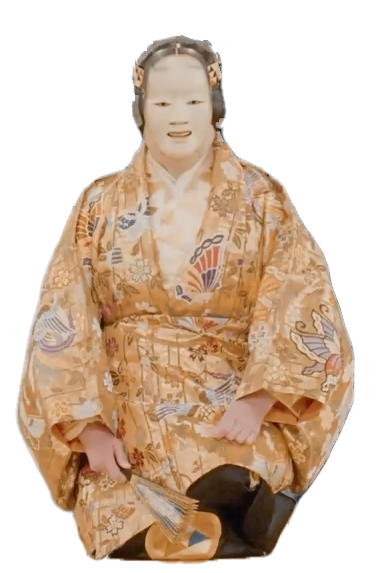
The cultural flowering of the Muromachi period is remarkable: Noh theatre, tea ceremony, ink painting, Zen garden art, ikebana — all in an age that Takauji founded. That is no small legacy. It is the origin of essential parts of what is known today as classical Japanese culture.
Takauji himself actively promoted Zen Buddhism and had Ankokuji temples (temples of national pacification) built throughout the country — both a religious gesture and a political instrument for integrating defeated regions.
Takauji’s Reputation: A Historical Assessment That Learns
In the Edo period, when the Tokugawa shoguns promoted a Confucian state ideology that propagated imperial loyalty as the highest virtue, Takauji was the negative example par excellence. He had overthrown the emperor. That was unforgivable.
Under Meiji nationalism this intensified: Go-Daigo became the model for the Meiji Restoration (return to imperial rule), Kusunoki Masashige became a national martyr, and Takauji a condemned traitor. Symbolic protests were still held in front of the fief of Takauji’s descendants in Kyoto in the 20th century.
Varley shows how this assessment is beginning to crumble: modern Japanese historians increasingly regard Takauji as a pragmatic statesman who acted under real political constraints. The question of whether he committed “treason” depends on which concept of legitimacy one follows — the imperial one, which Takauji knew and broke; or the feudal one, which made his actions logical.[1]
The Art of the Muromachi: Takauji’s Cultural Legacy
The cultural legacy of the Muromachi shogunate can hardly be overestimated.
Under Takauji’s successors — especially under the third shogun, Ashikaga Yoshimitsu — Noh theatre, the tea ceremony, Zen garden art, ink painting and ikebana flourished. These arts, which are regarded today as the quintessence of classical Japanese culture, emerged in the Muromachi period.
Cambridge shows how contact between Zen Buddhism and warrior culture became particularly intense in the Muromachi period.[3] The Zen monasteries did not only cultivate meditation — they became intellectual centres that integrated calligraphy, garden design, the tea ceremony and painting. This combination of warrior patronage and Zen aesthetics is one of the most formative legacies of the Ashikaga.
Takauji’s Strategy: Why He Built the Shogunate in Kyoto
One strategic decision of Takauji’s that is often overlooked: he built his shogunate in Kyoto — not in Kamakura, the centre of the first shogunate.
That was no accident. Kamakura was geographically isolated, far from the power centres of western Japan. Kyoto was the court, the trade routes, the symbolic centre of Japan.
Varley shows how Takauji’s decision to reside in Kyoto fundamentally changed the relationship between warrior rule and the imperial court.[1] The Ashikaga shoguns were permanently close to the emperor — which meant both control and cultural influence. They became part of court culture, not its guardians from a distance.
That had advantages: the shogunate’s culture absorbed courtly elegance and religious depth. But it also had disadvantages: when central shogunal power eroded in the Sengoku period, there was no longer a geographically isolated centre of power that could have been defended. The Ashikaga shoguns became prisoners of political events in the capital.
The Historical Reassessment: Takauji without Meiji Glasses
In modern Japan, Ashikaga Takauji is viewed in an increasingly differentiated way.
After the Meiji nationalists had treated him as the arch-traitor and the Second World War had ended along with its glorification of imperial loyalty, a cautious reassessment began. Since the 1960s, Japanese historians have been asking: were Takauji’s actions treason — or pragmatic statecraft?
Sansom, one of the most influential Western historians of Japan, describes Yoritomo in terms similar to Takauji: as a political thinker who created structures, not as a warrior who won battles.[4] This perspective can be applied to Takauji: he created the system that structured Japan for 237 years. The moral category of the traitor is too small for that.
Varley shows how modern Japanese historians are approaching this question with increasing sobriety.[1] Today Takauji can be analysed — at least in academic circles — without the knee-jerk reflex of Meiji condemnation.
That does not change the fact that he overthrew Go-Daigo. It merely makes the consequence somewhat more complex: what do you do with a man who destroyed one system and built a better one?
The Nanboku-chō in the Taiheiki: The Literary Treatment
Varley analyses how the Taiheiki proceeds differently from the Heike Monogatari: it shows no radiant heroes, but broken people in moral dilemmas.[1] Who is one loyal to? The emperor, the warrior class, one’s own clan? Takauji himself appears in the Taiheiki as a complex figure — no devil, no hero, but a man who had to make impossible decisions.
This portrayal contrasts with the Meiji-era simplification. The Taiheiki is older and more honest — it was written at a time when the moral implications of the Nanboku-chō had not yet been cemented by a state ideology.
Cambridge describes how the Taiheiki, as a literary work, shaped the Muromachi aristocracy: not only as a history book, but as a moral primer.[3] The questions it raises — loyalty versus pragmatism; individual virtue versus political necessity — remained relevant in Japan for centuries.
Takauji’s Brother Tadayoshi: The Other Half of the Shogunate
A story that is often missing from general accounts: in its beginnings, the Muromachi shogunate was not a one-man project.
Takauji’s younger brother Tadayoshi was an equal co-regent — responsible for administration, while Takauji took charge of military operations. This dual leadership model was unusual in Japan and unstable.
Cambridge describes how the relationship between Takauji and Tadayoshi turned into open rivalry from around 1349 — the Kannō no Jōran (Kannō Disturbance), a phase of fighting within the shogunate during which Tadayoshi temporarily allied himself with the Southern Court.[3] This is the same pattern that Takauji had previously shown towards Go-Daigo: if your partner becomes uncooperative, switch alliances.
Tadayoshi died in 1352 — poisoning is suspected as the cause, but has not been confirmed. His death stabilised Takauji’s rule, but left the shogunate structurally weakened: the dual leadership had at least allowed for checks and balances. Afterwards, power was concentrated in Takauji alone — and after him in increasingly weak shoguns.
Takauji and Zen Buddhism: A Political Theology
Takauji’s promotion of Zen Buddhism was more than personal piety.
He had Ankokuji (temples of national pacification) built throughout the country — explicitly as places of remembrance for all those who fell in the Nanboku-chō war, regardless of which side they were on. That was an extraordinarily clever political move: he honoured the opponents he had defeated. He showed that he wanted peace, not revenge.
Under the Ashikaga, the Zen monasteries became intellectual centres that transformed Japanese culture. The Gozan (Five Mountains) — the five largest Zen monasteries in Kyoto — were, under Takauji, institutionalised places of scholarship, art and political counsel.
Varley shows how Takauji’s Zen patronage created a model that his successors adopted and expanded.[1] The Ashikaga shoguns became the most important patrons in Japanese art history — Noh theatre, the tea ceremony and garden art all emerged under Ashikaga protection.
That is Takauji’s most lasting contribution: not his battles, not his betrayal of Go-Daigo — but the cultural infrastructure he created for one of the most productive periods in Japanese history.
Frequently Asked Questions about Ashikaga Takauji
Who was Ashikaga Takauji?
Ashikaga Takauji (1305–1358) was a Japanese warrior and statesman who founded the Muromachi shogunate in 1336. Before that, he had overthrown Emperor Go-Daigo and triggered the Nanboku-chō. He ruled as the first Ashikaga shogun until his death.
Why is Takauji regarded as a traitor in Japan?
He originally fought for Emperor Go-Daigo, switched sides, overthrew the emperor and founded his own shogunate. In the Edo period and under Meiji nationalism, both of which propagated imperial loyalty as the highest virtue, he became the negative example. Kusunoki Masashige, who died for Go-Daigo, became a national hero instead.
What was the Kemmu Restoration?
Go-Daigo’s attempt (1333–1336) to restore direct imperial rule without warrior mediation after the fall of the Kamakura shogunate. It failed because the warrior class was not prepared to give up its feudal privileges — which made Takauji’s rebellion possible.
What is the Nanboku-chō?
A Japanese civil war in which the Northern Court in Kyoto, controlled by Takauji, and the imperial Southern Court in Yoshino both claimed legitimacy. It lasted 56 years and ended with the unification of the lines.
What was Takauji’s cultural legacy?
The Muromachi shogunate under Takauji and his successors promoted Noh theatre, the tea ceremony, Zen garden art and ink painting — essential parts of what is regarded today as classical Japanese culture. Takauji had Zen temples built throughout the country.
Visit the Samurai Museum Berlin
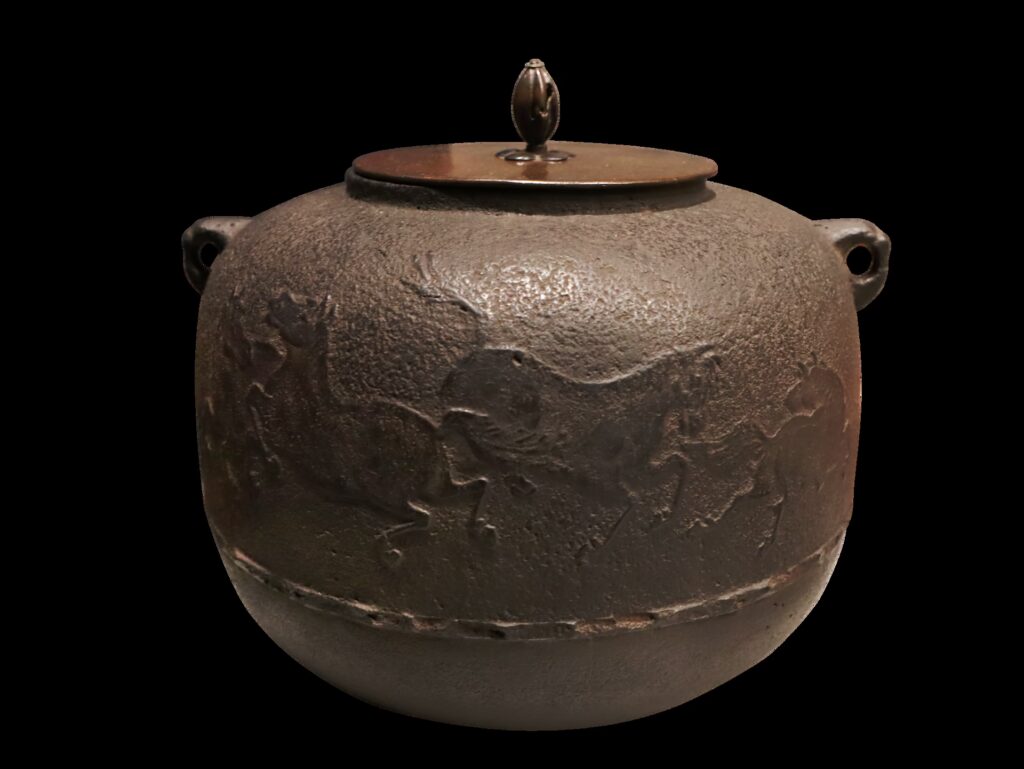
The Samurai Museum Berlin shows objects from the Kamakura and early Muromachi periods — from the era in which Ashikaga Takauji rebuilt Japan’s political foundations. Open daily from 10 a.m. to 7 p.m., Auguststraße 68, Berlin-Mitte.
Related Articles
- Kusunoki Masashige: The Loyal Knight
- Nanboku-chō: The War of the Two Imperial Courts
- Kamakura & Muromachi: The First Shogunate
- The Heian Period: The Rise of the Warrior Class
Sources and Further Reading
- [1] Varley, H. Paul (1994). Warriors of Japan as Portrayed in the War Tales. University of Hawaii Press. Used: Takauji’s portrayal in the Taiheiki; Nanboku-chō as a moral dilemma; historicisation of Takauji.
- [2] Varley, H. Paul (1971). Imperial Restoration in Medieval Japan. Columbia University Press. Used: Kemmu Restoration; Go-Daigo’s concept of rule; failure of direct imperial rule.
- [3] Yamamura, Kōzō (ed.) (1990). The Cambridge History of Japan, Vol. 3: Medieval Japan. Cambridge University Press. Used: Muromachi bakufu structure; shugo system; cultural flowering.
- [4] Conlan, Thomas D. (2022). Samurai Sourcebook. Hackett Publishing. Used: primary sources on the Ashikaga shogunate; questions of legitimacy.
- [5] Samurai Museum Berlin (2025). SMB Catalogue 2025. Display case C03V: Kamakura-Muromachi armour and helmets.
© Samurai Museum Berlin – All rights reserved
You might also like
Nanboku-chō: The War of the Two Imperial Courts (1336–1392)
For 56 years, Japan was ruled by two emperors at once. The Nanboku-chō period: civil war, the collapse of loyalty,…
Read the article
Sanada Yukimura: Japan’s Bravest Warrior (1567–1615)
Sanada Yukimura defended Ōsaka against Tokugawa Ieyasu's army – and became an icon of the honourable last stand. History, myth…
Read the article
Meiji Restoration: The End of the Samurai (1868–1912)
The Meiji Restoration ended 700 years of warrior rule. How Saigō Takamori, the sword ban and Shiroyama sealed the end…
Read the article