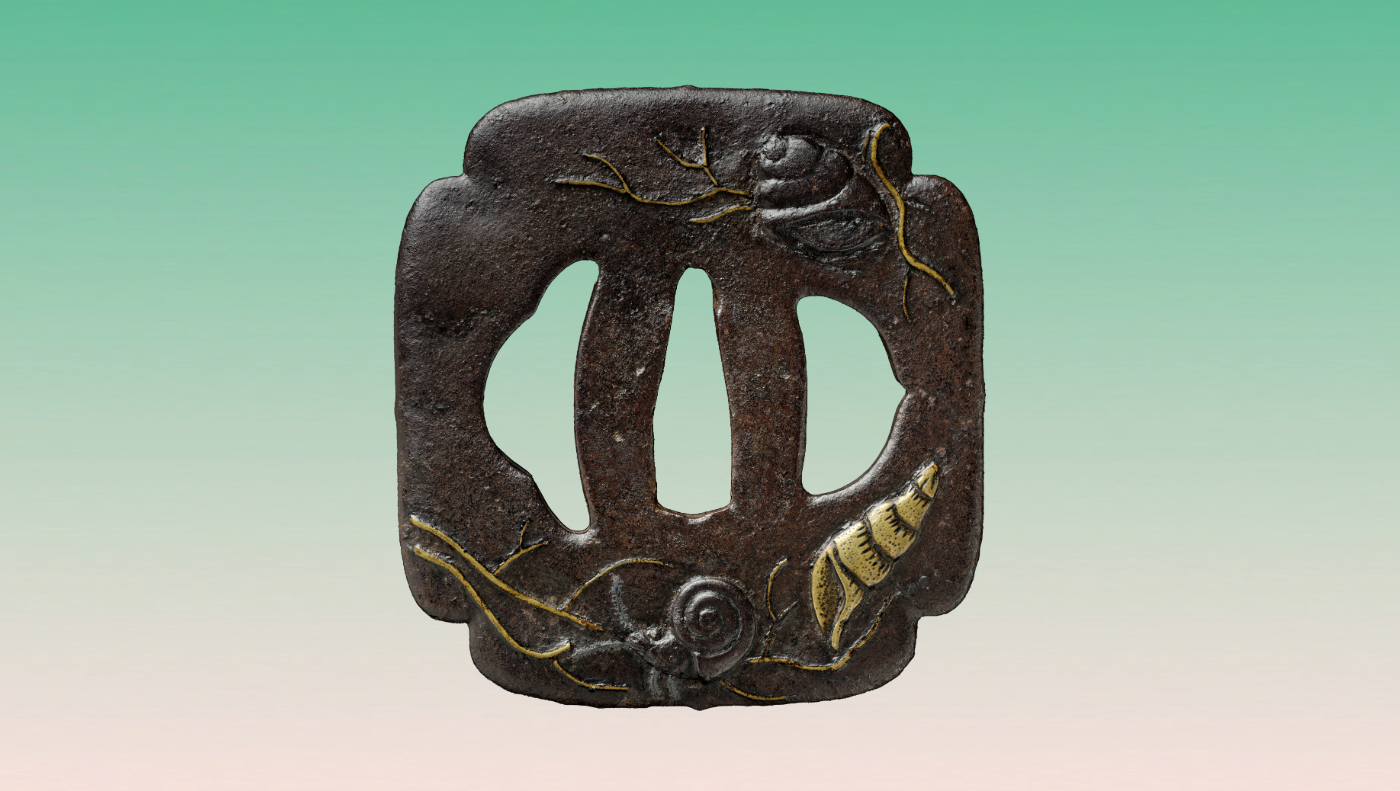
Between hilt and blade sits a metal disc — rarely larger than the palm of a hand. In the hands of a master it is a miniature sculpture: pierced like lace, engraved like a painting.
Function and Construction
The primary function is mechanical: protecting the hand and balancing the weight. Iron sword guards made with the sukashi technique are robust, often with pierced patterns. Soft-metal alloys include, for example, shakudō (deep black with a golden sheen) or shibuichi (grey-blue).[1]
Many sword guards of the 17th/18th century never hung on a battle sword, but were independent art objects for collectors.[1]
The Schools: Masters of Miniature
The Gotō school was the official school of the Tokugawa shōguns. Gotō Yūjō (1440–1512) founded it; its hallmark is shakudō with a nanako ground (fish-roe texture).[2]
Iconography and Afterlife
Motifs such as dragons, carp or cherry blossoms follow a coded symbolic language. In the Meiji period sword guards lost their practical function and became collectors’ items. Important pieces are now in the Metropolitan Museum of Art, the British Museum and the Musée Guimet.
Frequently Asked Questions
What is a sword guard?
The sword guard (tsuba) is the round metal disc at the base of the sword blade, between hilt and blade. It protects the hand and serves to balance the weight.
What is the difference between iron and soft-metal sword guards?
Iron sword guards are robust and functional, often with sukashi piercings. Soft-metal variants of shakudō, shibuichi or sentoku were made for representative mountings of the Edo period — often never tested in combat.
What is the Gotō school?
The Gotō school was the official school of sword ornament of the Tokugawa shōguns. It made exclusive mountings in shakudō with a nanako ground. Its characteristic feature is a matched ensemble of sword guard, fuchi and kashira.
What does the sukashi technique mean?
Sukashi (to show through) refers to piercing a metal plate into patterned shapes. Light falls through the cut-out shapes. Positive sukashi: the pattern remains standing. Negative sukashi: the pattern is cut out.
Visit the Samurai Museum Berlin
The Samurai Museum Berlin displays one of the most extensive collections of sword guards in Europe. Daily 10 a.m.–7 p.m., Auguststraße 68.
→ Tickets & opening hours
→ All exhibitions
Related Articles
Bibliography
- [1] Sesko, Markus (2014): Encyclopedia of Japanese Swords.
- [2] Yumoto, John (1958): The Samurai Sword: A Handbook.
- [3] Samurai Museum Berlin (2025): SMB Catalogue 2025. Sword fittings pp. 122–147, display case C41V.
- [4] Bottomley, Ian (Royal Armouries Leeds): Arms and Armor of the Samurai.
© Samurai Museum Berlin – All rights reserved
You might also like
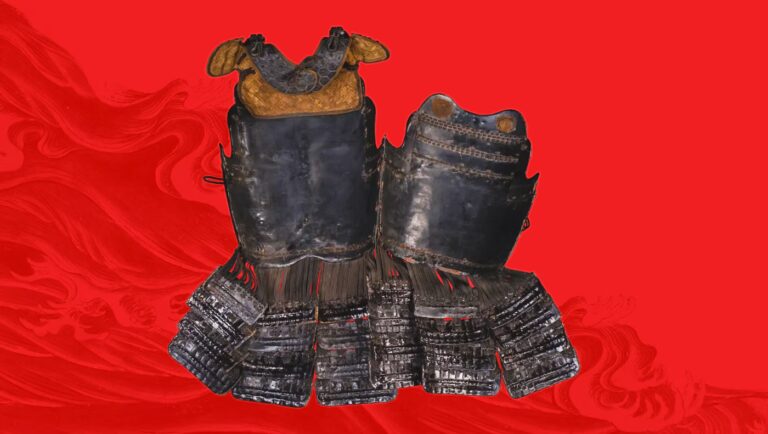
Dō — The Cuirass of the Samurai: History & Development
The dō – the heart of every samurai armour. From Heian lamellae to the bulletproof Sengoku cuirass: history, types &…
Read the article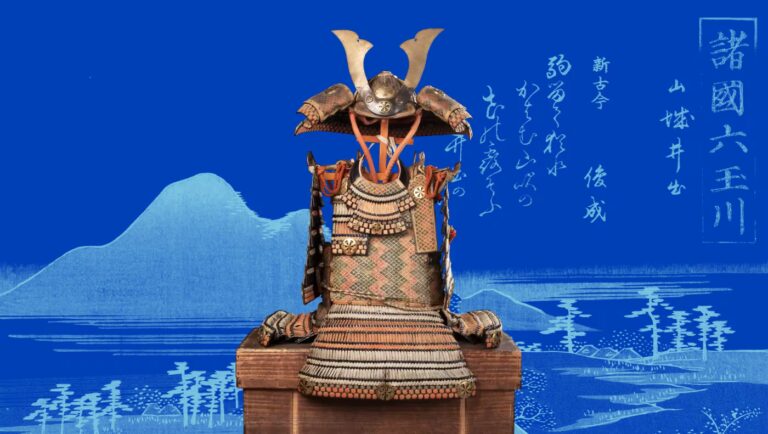
Ō-Yoroi: The Great Armour of the Heian Samurai
Ō-Yoroi – the great armour of the Heian samurai. Not decoration, but a machine for the mounted archer. History &…
Read the article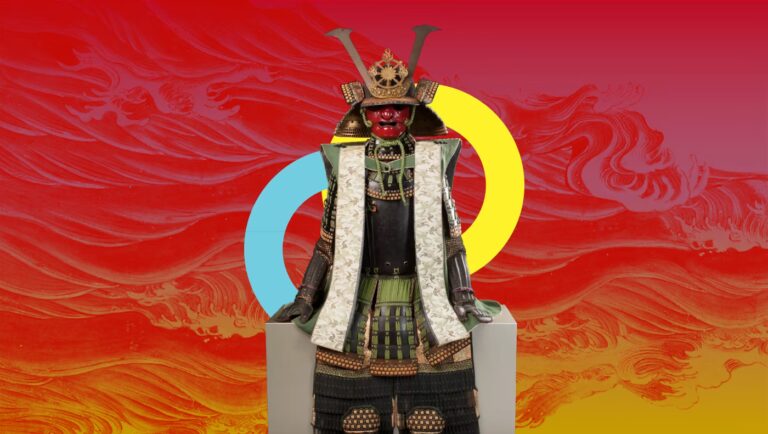
Jinbaori: Armour Coat of the Samurai
Jinbaori — the samurai's field-camp coat made of European wool. History, material, symbolism. Exhibits at the Samurai Museum Berlin.
Read the article