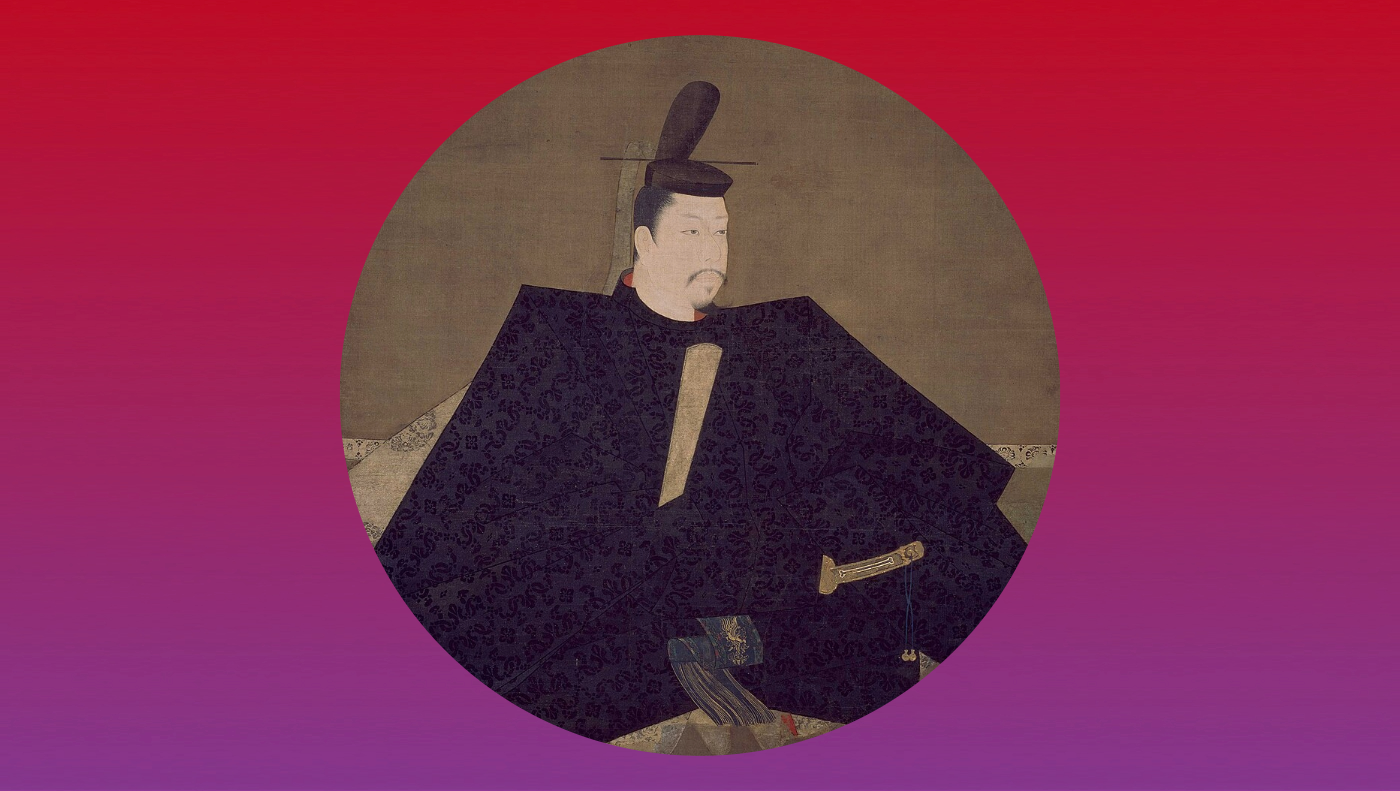
In Edo there was a man who ruled over everything — and was officially nothing. Japan was a system of nested rule in which power and title systematically diverge.
The Shōgun: Military Ruler in the Name of the Emperor
The title Seii Taishōgun was originally a military command. In 1192 Minamoto no Yoritomo turned it into the basis of a permanent warrior government. The bakufu was not a coup d’état — it created a parallel centre of power alongside the imperial court.[1]
Three shogunates ruled Japan for around 680 years: Kamakura, Muromachi and Tokugawa. Each had a different basic structure.
The Daimyō: Territorial Lord between Loyalty and Autonomy
The term daimyō refers to the territorial feudal lords. The Tokugawa system classified them as fudai (hereditary vassals), shimpan (relatives) and tozama (outside lords). Tozama were excluded from key positions — which fed the discontent that led to the Meiji Restoration in 1868.[2]
The central instrument of control was sankin-kōtai: alternate residence, with the family kept as hostages in Edo.
Power and Legitimacy
Eiko Ikegami gives a structural answer: the system separated legitimacy from power. The emperor supplied ritual legitimacy. The shōgun supplied protection and order. The daimyō supplied local administration. Each level needed the others.[3]
Frequently Asked Questions
What is the difference between the shōgun and the emperor?
The emperor was the ritual source of all legitimacy. The shōgun was the de facto military ruler who governed in the emperor’s name. This coexistence lasted from 1185 to 1868.
What is a daimyō?
A daimyō (great name) is a territorial feudal lord. In the Tokugawa system he had to control a rice yield of at least 10,000 koku. There were around 250–300 daimyō.
What was sankin-kōtai?
The alternate-residence obligation required every daimyō to spend alternate years in his domain and in Edo, while his family remained permanently in Edo. A sophisticated control mechanism.
Were there female shōguns?
None that were formally recognised. Masako, Yoritomo’s widow, ruled de facto after his death and is referred to as the “nun shōgun”. Formally these positions were reserved for men.
How did daimyō rule end?
In 1871 all domains were abolished and converted into state prefectures. The daimyō received pensions and titles of nobility, but lost their territorial power.
Visit the Samurai Museum Berlin
The Samurai Museum Berlin displays armour from all three shogunate eras. Daily 10 a.m.–7 p.m., Auguststraße 68.
Related Articles
Bibliography
- [1] Hall, John Whitney (1991): Cambridge History of Japan Vol.4. CUP.
- [2] Berry, Mary Elizabeth (1982): Hideyoshi. Harvard UP.
- [3] Ikegami, Eiko (1995): The Taming of the Samurai. Harvard UP.
- [4] Samurai Museum Berlin (2021): Armours of the Samurai.
© Samurai Museum Berlin – All rights reserved
You might also like
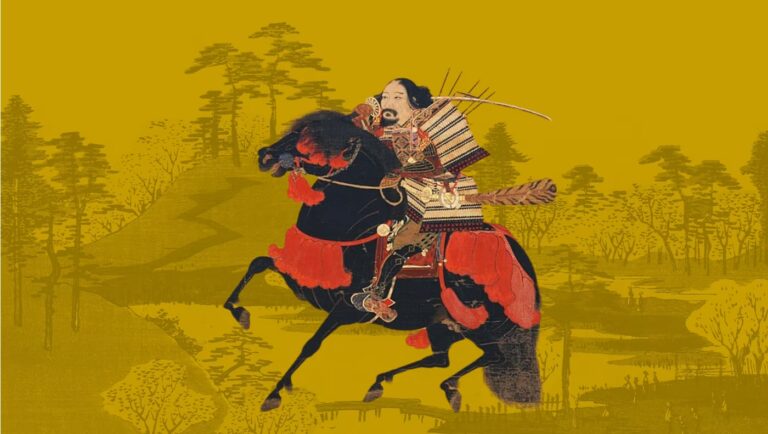
Nanboku-chō: The War of the Two Imperial Courts (1336–1392)
For 56 years, Japan was ruled by two emperors at once. The Nanboku-chō period: civil war, the collapse of loyalty,…
Read the article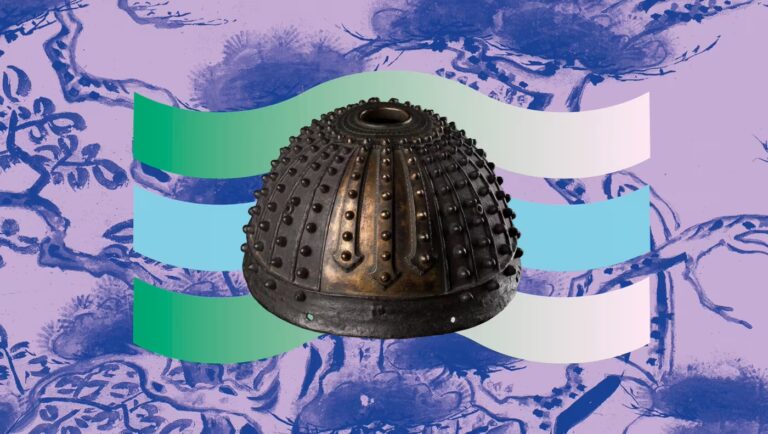
Kamakura & Muromachi: The First Shogunate and the Mongol Invasion (1185–1467)
The Kamakura shogunate, the Mongol wars, and the Muromachi bakufu: How Japan developed samurai rule between 1185 and 1467. Samurai…
Read the article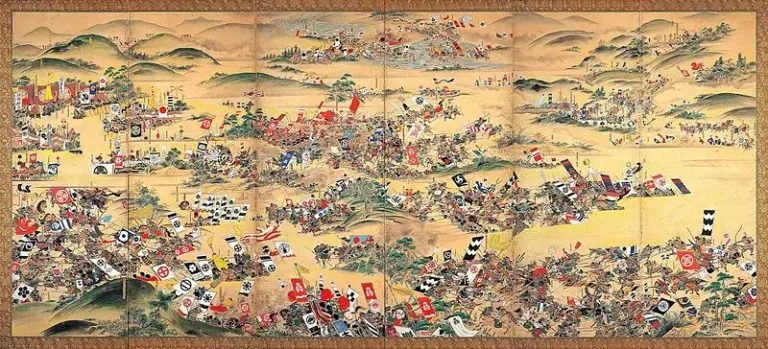
Battle of Sekigahara 1600: Japan’s Decision — Won through Betrayal
Sekigahara 1600 — Japan's largest samurai battle, decided by betrayal. Course, strategy, consequences. Exhibits at the Samurai Museum Berlin.
Read the article